Discover the Mv Wyuna Historic port phillip pilot vessel
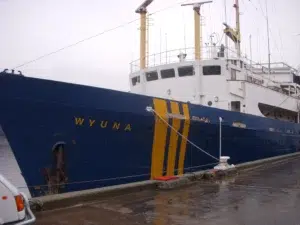

Built in 1953 by Scotland’s renowned Ferguson Shipbuilders in Port Glasgow, the MV Wyuna stands as a premier example of mid-20th-century shipbuilding and naval engineering. Specifically, she was commissioned by the Port Phillip Sea Pilots to be designed and constructed from the keel up as a dedicated, heavy-duty pilot vessel. Because her primary area of operation encompassed the entrance to Port Phillip and the open ocean, her hull and machinery were reinforced to withstand the notoriously volatile weather and punishing swells of Bass Strait. In addition to her structural durability and diesel-electric propulsion, the Wyuna featured custom-built living quarters, specialized mess halls, and navigation stations. As a result, these amenities allowed working pilots and crew members to remain on active sea duty during extended, multi-week deployments without returning to port.
Mv Wyuna Role in Pilot Operations
Serving for more than three decades, the Wyuna maintained a constant, year-round station at the entrance to Port Phillip Bay. Consequently, she functioned as an essential floating operations base for highly experienced sea pilots responsible for meeting incoming international cargo ships, oil tankers, bulk carriers, and passenger liners. Navigation through the narrow, tidal passage known as “The Rip” required expert local knowledge; therefore, the pilot’s presence aboard every arriving vessel was absolutely mandatory for safe passage.
The High-Risk Transfer Process
To safely transfer pilots in open waters, the crew executed a precise, multi-step procedure:
Approaching the Ship: To begin with, when an incoming vessel signaled its arrival, the Wyuna maneuvered into close proximity and launched a small, highly maneuverable workboat carrying the duty pilot across the open water.
Creating a Lee: Simultaneously, to make the dangerous transfer possible, the incoming ship turned its hull to block prevailing winds and heavy ocean swells. As a result, this maneuver created a temporary pocket of calm water—known as a “lee”—on the sheltered side of the vessel.
Boarding: Finally, while navigating into the lee, the workboat crew brought the pilot alongside the giant hull. The pilot then executed a precise, high-risk transfer by climbing a flexible Jacob’s rope ladder up the side of the moving ship. Once safely on deck, the pilot took navigational command to guide the vessel through the treacherous channel and into port.
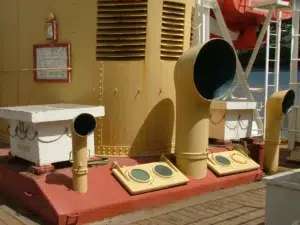
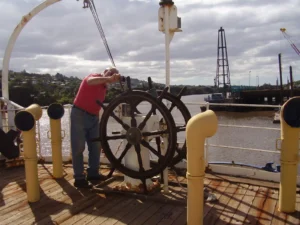
MV Wyuna Floating Museum: Vision & Strategy
The Vision
The MV Wyuna Floating Museum project aims to preserve, restore, and celebrate a key mid-century Australian maritime asset. By transforming the vessel into a dynamic cultural hub, the project will honor her heritage while engaging future generations through educational programs, public activities, and event spaces that secure her long-term financial and physical sustainability.
Core Pillars
1. Immersive Guided Tours
Guided by volunteer historians, tours highlight the ship’s physical craftsmanship and engineering. In particular, these tours focus on three core areas:
Scottish Craftsmanship: The mid-century shipbuilding techniques of Ferguson Brothers Shipbuilders in Port Glasgow.
Naval Architecture: The structural layout and heavy machinery required to navigate rough southern swells.
Pioneering Propulsion: Her early 1950s diesel-electric system, which served as an important early step toward modern marine propulsion.
2. Dual Legacy Exhibitions
Furthermore, permanent exhibits cover her two primary operational eras:
The Pilot Era (1953–1979): Highlights her work guiding ships through Bass Strait and Port Phillip Heads (“The Rip“) for the Port Phillip Sea Pilots using oral histories, vintage navigation equipment, and multimedia transfer simulations.
The Training Era (1979–2004): Examines her tenure as the flagship training ship for the Australian Maritime College in Tasmania through recreated student quarters, interactive seamanship stations, and archival photography.
3. Event & Function Venue
In order to fund ongoing hull conservation, restored spaces will be converted into commercial and community venue spaces:
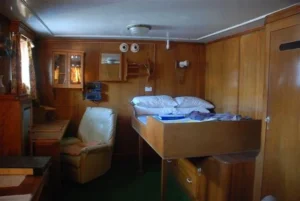
Private Events: Heritage saloons, officers’ cabins, and open decks will be available for corporate meetings and private gatherings.
Sustainable Revenue: Consequently, event bookings will directly support preservation and operational costs, keeping the museum financially viable for the long term.
Future Outlook
Ultimately, the project balances historic preservation with active community use. As a result, this strategy ensures Australia’s seafaring heritage remains accessible and operational for decades to come.
An Australian Maritime Historic Asset
Built in 1952 by Glasgow’s renowned Ferguson Brothers Shipbuilding, the MV Wyuna is formally recognized as an Australian Maritime Historic Asset. Named after an Indigenous Australian word meaning “Clear Water,” she stands out today as Australia’s last surviving riveted ship of her kind. Consequently, she serves as a tangible link to mid-century ocean trade, naval engineering, and coastal seamanship.
A Port Phillip Icon (1953–1979)
For over 25 years, the Wyuna operated as the primary guardian to Victoria’s maritime commerce. In particular, her operational impact was defined by two major roles:
Economic Guardian: Stationed near Queenscliff and Point Lonsdale, she continuously braved severe ocean swells to transfer harbor pilots through “The Rip“—one of the world’s most treacherous navigational passages—to ensure safe passage for cargo vessels, oil tankers, and liners for the Port Phillip Sea Pilots.
Symbol of Welcome: In addition to her commercial duties, the Wyuna served as a poignant symbol of new beginnings. For thousands of post-WWII migrants arriving on ocean liners like the SS Oriana and SS Canberra, she represented their very first visual contact with their new homeland.
Preservation and Future Purpose
The Rescue and Donation
Following her pilot service, the vessel spent decades as the flagship training ship for the Australian Maritime College in Launceston, Tasmania. Eventually, however, aging infrastructure left her facing destruction for scrap metal. To prevent this loss, businesswoman Gillian Swaby purchased the ship to save her, subsequently donating the vessel to the Victorian Maritime Centre (operated by the Western Port Oberon Association) for permanent preservation.
Restoration & Community Impact
Driven by dedicated volunteers, marine engineers, and historians, the restoration effort actively turns the ship into a vibrant community asset. Specifically, this initiative delivers value across three core areas:
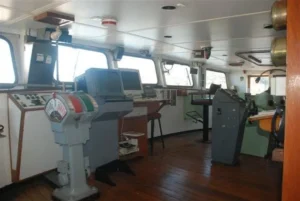
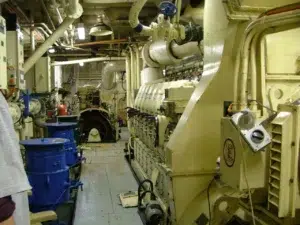
A Living Museum: To begin with, the project offers the public direct access to original timber decks, the navigation bridge, and the rare 1950s diesel-electric engine room.
Veteran Wellbeing: Furthermore, the ship provides structured, hands-on restoration work and traditional seamanship training programs designed to support defense veterans.
Educational Programs: Ultimately, the restored spaces host youth workshops, maritime history lessons, and overnight educational stays for school groups.
Step Aboard History: Support the MV Wyuna Restoration
the MV Wyuna—a 1952 Scottish-built, diesel-electric pilot cutter—is currently undergoing restoration under the care of the Victorian Maritime Centre. Having historically guarded Victoria’s sea trade through “The Rip” and trained generations of mariners at the Australian Maritime College, she is now being transformed into a living floating museum. However, restoring this 63-meter vessel requires a dedicated community, and there are many ways you can support the effort.
How You Can Get Involved
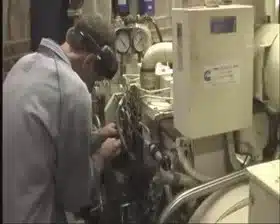
Hands-on Restoration: To begin with, you can assist with woodworking, metalwork, mechanics, and painting to restore original timber decks, brass fittings, and mid-century propulsion systems.
Guiding & Storytelling: In addition, you can serve as a volunteer tour guide, sharing the rich history of the Port Phillip Sea Pilots and the vessel with visitors and school groups.
Behind-the-Scenes Support: Alternatively, you can contribute specialized skills in archiving historical media, managing community outreach, grant writing, or event planning.
Donations & Sponsorship: Finally, you can provide financial contributions or corporate sponsorships to directly fund critical hull maintenance and essential safety upgrades.
Why Join the Crew?
Hands-On History: First, gain direct, practical access to a rare, mid-century maritime asset.
Community & Camaraderie: Furthermore, work alongside defense veterans, marine engineers, and local history enthusiasts.
Skill Sharing: As a result, learn and apply traditional maritime preservation crafts.
Legacy Building: Ultimately, help ensure future generations experience Australia’s living seafaring history.
By contributing your time, specialized skills, or financial support, you actively help preserve the stories of the pilots and mariners who served aboard her decks. Consequently, we invite you to join the MV Wyuna Restoration Project today to help secure Australia’s maritime heritage for decades to come.
Pages
- Western port Oberon association
- Mk 37
- ship’s engine order telegraph (EOT
- Hmas Huon
- shop
- MV Wyuna: History and Significance
- hmas australia ww2 Design, Armament, and Operational History in World War II
- HMAS Castlemaine: World War II Protector of Australian Waters
- The Australian Submarine AE2
- tss coramba
- Victoria’s Maritime centre
- HMAS Otama
- posts
- HRH Princess Anne: Patron of Victorian Maritime Centre